Your home’s plumbing system depends on more than just the pipes inside your walls. One of the most important — and often overlooked — components is the sewer lateral. When sewer lateral problems develop, they can affect your entire drainage system, leading to recurring backups, slow drains, foul odors, water damage, and expensive repairs.
Understanding how sewer laterals work, recognizing early warning signs, and exploring modern sewer pipe repair and drain pipe rehabilitation solutions can help homeowners avoid major plumbing emergencies and costly excavation work.

What Is a Sewer Lateral?
A sewer lateral is the underground pipe that connects your home’s plumbing system to the municipal sewer main or septic system. Every drain in your home — including sinks, toilets, showers, washing machines, and floor drains — ultimately depends on this pipe to safely carry wastewater away from your property.
Because sewer laterals are buried underground, problems can go unnoticed for months or even years until severe damage occurs.
Why Sewer Lateral Problems Are Serious
When a sewer lateral becomes damaged or blocked, the issue impacts the entire plumbing network connected to it. Unlike a small clog in a sink or toilet, sewer lateral issues affect the main drainage pathway for the entire property.
Common consequences include:
- Frequent drain backups
- Multiple slow drains throughout the home
- Sewage odors indoors or outdoors
- Gurgling sounds from drains and toilets
- Water pooling in the yard
- Foundation or landscaping damage
- Increased risk of pipe collapse
Ignoring these warning signs can lead to extensive property damage and expensive emergency repairs.
Common Causes of Sewer Lateral Damage
Several factors can contribute to sewer lateral failure over time.
Tree Root Intrusion
Tree roots are one of the leading causes of sewer lateral problems. Roots naturally seek moisture and can enter small cracks or pipe joints underground. Once inside, they continue growing and eventually restrict wastewater flow.
Over time, root intrusion can:
- Crack pipes
- Cause severe blockages
- Lead to pipe collapse
- Trigger recurring sewer backups
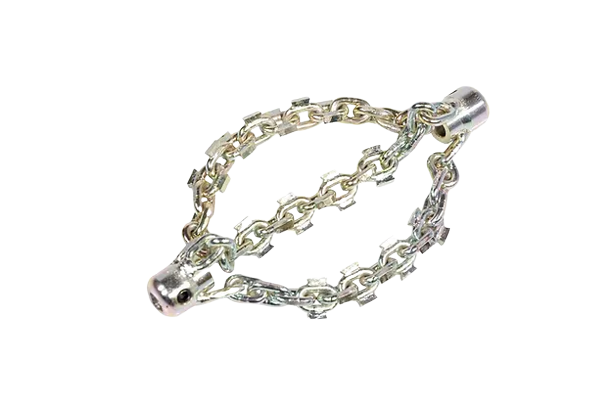
Modern sewer root cutting and drain cleaning technologies are often used to remove roots before rehabilitation work begins.
Aging Pipes
Older homes commonly have sewer laterals made from cast iron, clay, or Orangeburg pipes. As these materials age, they can corrode, crack, deteriorate, or collapse.
Aging pipes are especially vulnerable to:
- Corrosion
- Scale buildup
- Structural weakness
- Joint separation
- Frequent leaks
This is where modern drain pipe rehabilitation solutions can provide a cost-effective alternative to full replacement.
Ground Movement and Soil Shifting
Natural soil movement, heavy rainfall, freezing temperatures, and nearby construction can place pressure on underground sewer laterals.
This pressure may cause:
- Pipe misalignment
- Cracks
- Sagging sections (“bellies”)
- Joint separation
Even small structural shifts can significantly affect wastewater flow over time.
Grease, Debris, and Mainline Blockages
Grease buildup, wipes, paper products, and debris can gradually restrict the sewer lateral and create major blockages.
Unlike isolated drain clogs, sewer lateral blockages typically affect multiple fixtures at once and often worsen over time without professional cleaning.
Signs Your Sewer Lateral May Be Failing
Early detection is critical. Some of the most common warning signs include:
Multiple Slow Drains
If several drains throughout your home are draining slowly at the same time, the issue may be deeper within the sewer lateral.
Frequent Backups
Recurring sewage backups are a strong indication of a developing blockage or damaged pipe.
Gurgling Noises
Air trapped inside damaged or blocked sewer laterals can create bubbling or gurgling sounds in sinks and toilets.
Bad Odors
Persistent sewage smells inside or outside the home may signal cracks, leaks, or sewer lateral deterioration.
Wet Areas in the Yard
Pooling water or unusually green patches of grass can indicate underground sewer leaks.
How Sewer Camera Inspections Help Diagnose Problems
Because sewer laterals are underground, professional inspection equipment is essential for accurate diagnosis.
Modern sewer camera inspection systems allow professionals to:
- Identify cracks and breaks
- Locate root intrusion
- Detect corrosion
- Pinpoint blockages
- Assess pipe condition before repairs
Video inspections eliminate guesswork and help determine the most effective repair strategy.
Modern Sewer Pipe Repair Solutions
Traditional sewer repairs often required extensive digging, damaged landscaping, and major disruption. Today, advanced sewer pipe repair technologies offer more efficient alternatives.
Drain Pipe Rehabilitation and Trenchless Solutions
Modern drain pipe rehabilitation methods allow damaged sewer laterals to be restored with minimal excavation.
Benefits include:
- Faster repair times
- Reduced property disruption
- Lower restoration costs
- Extended pipe lifespan
- Improved flow performance
These rehabilitation methods are commonly used for residential, commercial, and municipal sewer systems.
CIPP and Pipe Lining Technology
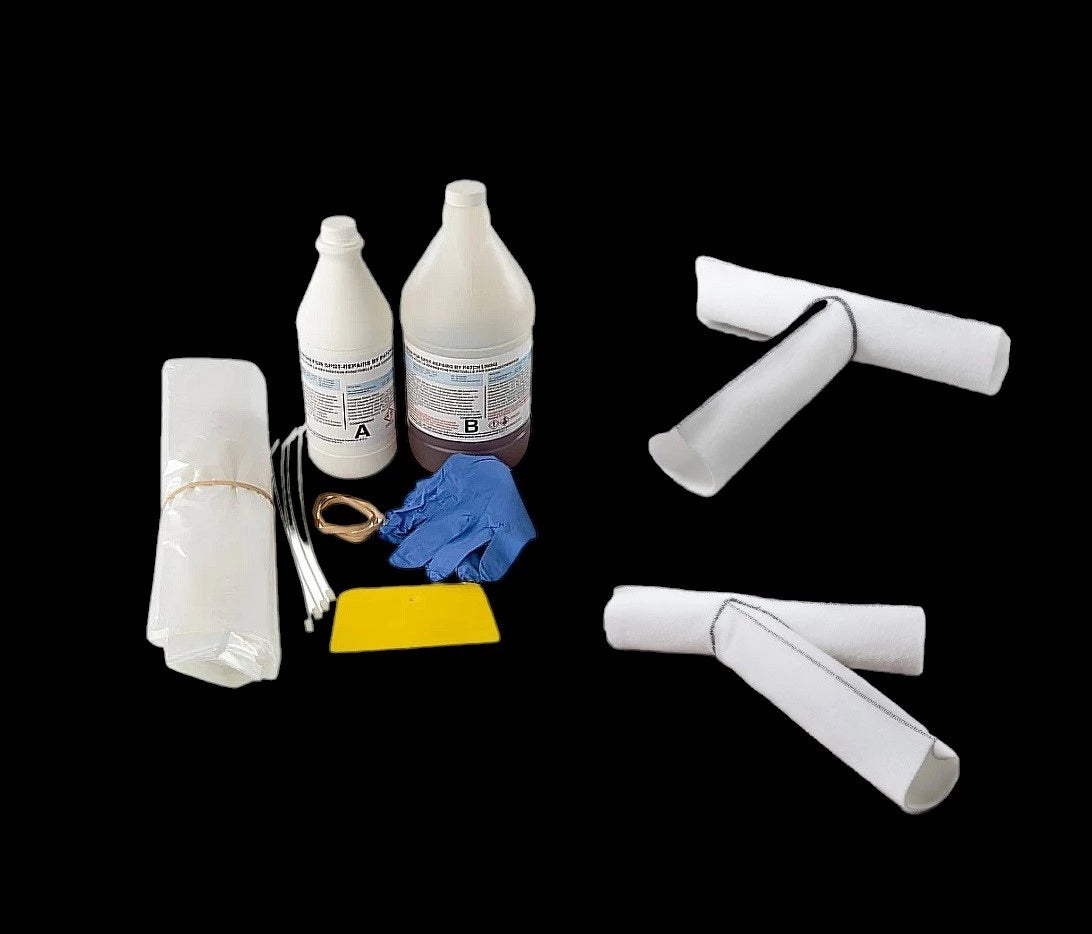
One of the most effective trenchless repair methods is Cured-In-Place Pipe (CIPP) lining.
This process involves:
- Cleaning the damaged pipe
- Inserting a resin-saturated liner
- Expanding the liner inside the existing pipe
- Curing the liner to create a new pipe within the old one
CIPP technology can restore structural integrity without the need for large-scale excavation.
Why Early Sewer Lateral Repairs Matter
Delaying sewer lateral repairs can significantly increase long-term costs.
Minor issues can eventually lead to:
- Complete pipe collapse
- Sewage flooding
- Structural damage
- Health hazards
- Emergency excavation
Addressing sewer lateral issues early through inspection and rehabilitation helps homeowners avoid major disruptions and costly repairs.
Preventing Future Sewer Lateral Problems
While some sewer lateral issues develop naturally over time, regular maintenance can help reduce the risk of major failures.
Helpful preventative measures include:
- Scheduling routine sewer inspections
- Avoiding grease disposal in drains
- Monitoring tree root growth near sewer lines
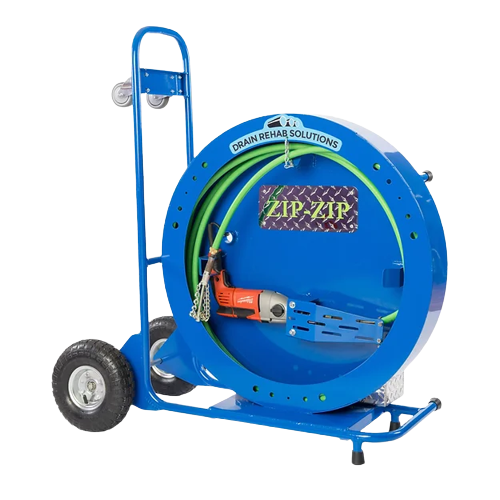
- Using professional drain cleaning equipment
- Addressing slow drains early
Preventative maintenance plays a major role in extending the lifespan of underground sewer systems.
Final Thoughts
Your sewer lateral is one of the most critical components of your plumbing system. When problems develop underground, they can quickly impact your entire home and lead to expensive repairs if left untreated.
Fortunately, modern sewer pipe repair and drain pipe rehabilitation technologies now provide faster, less invasive, and more cost-effective solutions than traditional excavation methods.
By recognizing early warning signs and investing in professional inspection and rehabilitation services, homeowners can protect their property, avoid plumbing emergencies, and extend the life of their sewer system.
Frequently Asked Questions
What is a sewer lateral?
A sewer lateral is the underground pipe that connects a home’s plumbing system to the municipal sewer main or septic system.
What causes sewer lateral damage?
Common causes include tree root intrusion, aging pipes, corrosion, shifting soil, grease buildup, and structural deterioration.
Can sewer laterals be repaired without digging?
Yes. Modern trenchless technologies like CIPP lining and drain pipe rehabilitation can often repair sewer laterals with minimal excavation.
How do I know if my sewer lateral is clogged?
Signs include multiple slow drains, recurring backups, sewage odors, gurgling sounds, and wet areas in the yard.
How long does sewer pipe rehabilitation last?
Many modern rehabilitation systems are designed to last several decades when properly installed and maintained.