Introduction
Your home’s sewer system plays a vital role in keeping everything flowing smoothly—literally. Home sewer maintenance is essential to avoid messy and costly problems down the line. Neglecting it can lead to severe issues like backups, foul odors, and even structural damage to your property. Investing time and care into maintaining your sewer system ensures a healthier and more efficient home environment.

Understanding Your Home Sewer System
A well-functioning sewer system quietly handles waste removal for your home. The main components include:
● Main Sewer Line: The central pipe that connects your home to the municipal sewer or septic system.
● Lateral Pipes: Smaller pipes that carry waste from individual fixtures to the main line.
● Traps: Curved sections of pipe designed to prevent sewer gases from entering your home.
Understanding how these parts work together is the first step in effective home sewer maintenance.
Why Home Sewer Maintenance Matters
Regular maintenance offers several benefits:
● Prevents Backups: Reduces the likelihood of clogs and sewer overflows.
● Extends Pipe Lifespan: Keeps pipes in good condition, delaying the need for replacements.
● Promotes a Healthier Environment: Prevents sewage leaks and odors from affecting your home.
A little effort now can save you from expensive and stressful repairs later.
Top Common Sewer Problems
Many homeowners face issues with their sewer systems. Here are some common culprits:
● Tree Root Intrusion: Roots grow into sewer lines seeking moisture, causing blockages and damage.
● Grease and Debris Buildup: Improper disposal of fats, oils, and debris can clog pipes.
● Pipe Corrosion or Collapse: Aging pipes, especially metal ones, may rust or break over time.
● Sewer Line Bellies: Low spots in the pipe where waste collects, leading to blockages.
Signs of Trouble Look out for:
● Slow Drains: Water taking longer than usual to empty.
● Foul Odors: Persistent sewer smells around your home.
● Gurgling Sounds: Air bubbles trapped in your pipes, indicating a blockage.
DIY Home Sewer Maintenance Tips
While professionals handle major repairs, regular upkeep can prevent problems:
● Clean Drains Regularly: Use a plunger or a drain snake to remove minor clogs.
● Dispose Properly: Avoid flushing grease, food scraps, or non-flushable items.
● Enzyme Cleaners: Use these to break down organic buildup safely.
● Schedule Inspections: Have a professional inspect your system annually to catch issues early.
A proactive approach goes a long way toward keeping your sewer system in top shape.
When to Call a Professional
Some issues require the expertise of a professional plumber:
● Persistent Clogs: When plungers and drain snakes don’t solve the problem.
● Sewer Gas Smell: A clear sign of a compromised system.
● Overflowing Cleanouts: Indicates a serious blockage or backup.
Don’t hesitate to call an expert if you notice these signs—delaying repairs can lead to costly damage.
Sewer Pipe Repair Options Explained
If your system needs repairs, there are several methods to consider:
● Trenchless Sewer Repair: Minimally invasive solutions like pipe relining.
● Pipe Bursting: Replaces damaged pipes by breaking them and pulling in new ones.
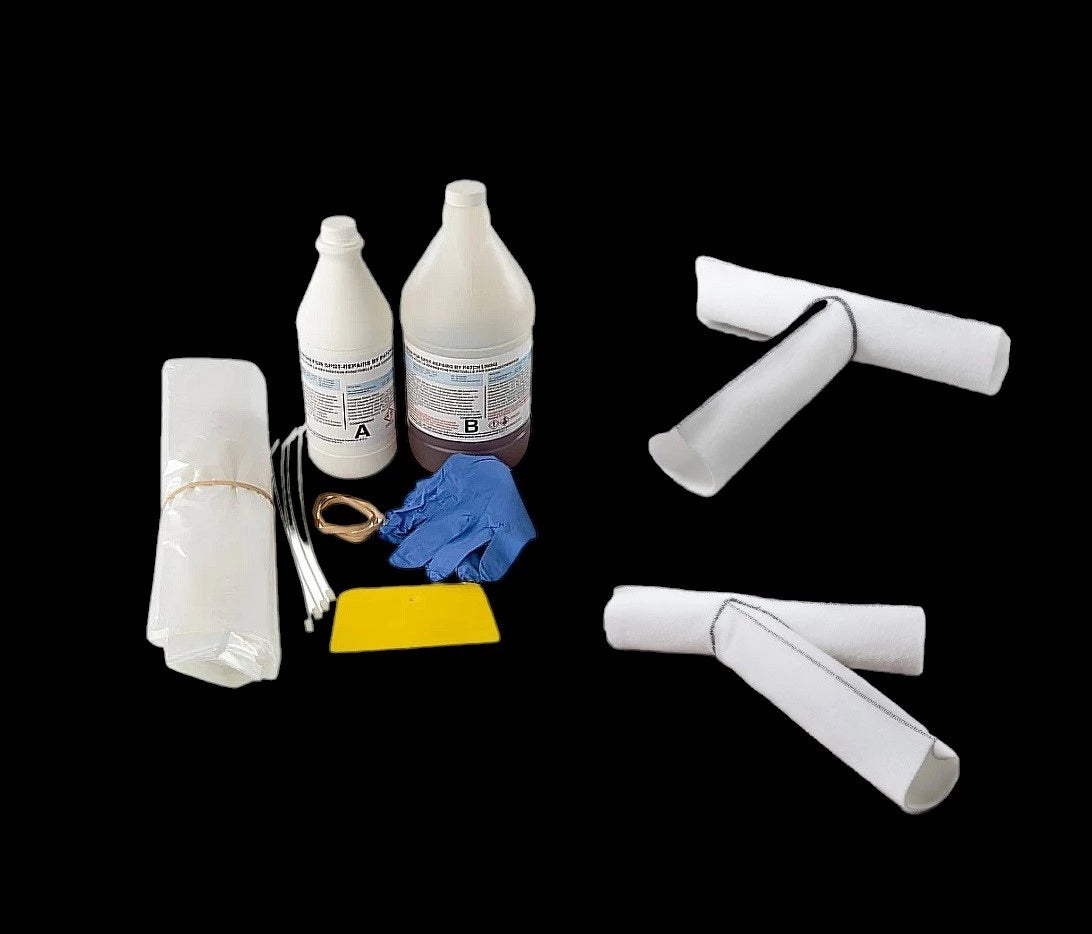
● CIPP Lining: Creates a new pipe inside the old one with epoxy lining.
● Traditional Excavation: Necessary for severe damage or inaccessible areas.
Each method has its benefits, and your contractor will recommend the best option for your situation.
Cost Factors & Prevention Tips
The cost of sewer pipe repair varies based on the method and extent of damage:
● Trench-less Repairs: Typically range from $80 to $250 per foot.
● Excavation: Costs more due to labor and property restoration needs.
Prevention Tips
● Schedule routine maintenance.
● Avoid planting trees near sewer lines.
● Use drain covers to catch debris.
Investing in maintenance saves money by reducing the likelihood of expensive repairs.
Conclusion
Your sewer system is a crucial part of your home, and taking care of it can save you time, money, and stress. Modern methods like trench-less repairs provide efficient, minimally invasive solutions for addressing common sewer problems. Don’t wait for a crisis—prioritize proactive sewer maintenance and consult a professional for expert care.